No products in the cart.

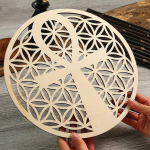
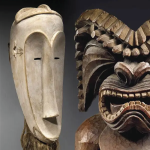
Explore the therapeutic and mindful aspects of wood carving, discussing how it can be a calming and meditative hobby.

Focus and Concentration:
Wood carving requires a high level of focus and concentration, as each cut and detail demands precision. Engaging in this activity encourages the carver to be fully present in the moment, fostering a state of mindfulness. The need to pay attention to the grain of the wood, the sharpness of tools, and the intricacies of the design promotes a deep level of concentration, temporarily allowing the carver to set aside other distractions.
Sensory Experience:
Wood carving provides a rich sensory experience. The carver can feel the texture of the wood, hear the sound of the carving tools, and even smell the distinctive scent of the wood being worked. Engaging multiple senses in this way contributes to a heightened awareness of the present moment, making the carving process a sensory meditation.
Mindful Breathing and Relaxation:
Wood carving involves rhythmic movements, such as the controlled strokes of carving tools. These repetitive motions can be synchronized with mindful breathing, promoting relaxation and reducing stress. As the carver becomes attuned to the steady rhythm of carving, it becomes a meditative practice that allows for a sense of calm and mindfulness.
Creativity and Expression:

Wood carving provides an outlet for creative expression. The carver has the freedom to choose designs, experiment with different techniques, and infuse their personality into each piece. This act of self-expression fosters a sense of fulfillment and allows the carver to connect with their creative instincts, promoting a mindful and introspective experience.
Patience and Acceptance:
Wood carving teaches patience and the acceptance of imperfections. Carving intricate details takes time, and the process cannot be rushed. The carver learns to embrace the gradual progress and appreciate the beauty of the evolving piece. This patience extends to the acceptance of mistakes, as they become integral to the learning process. The mindful wood carver learns to view imperfections not as failures but as unique aspects that contribute to the character of the finished work.
Engaging in wood carving as a mindful hobby provides an opportunity for individuals to cultivate a sense of mindfulness, concentration, and creativity. It serves as a therapeutic practice that encourages relaxation, self-expression, and a deeper connection with the present moment.
Focus and Concentration:
Wood carving requires a high level of focus and concentration, as each cut and detail demands precision. Engaging in this activity encourages the carver to be fully present in the moment, fostering a state of mindfulness. The need to pay attention to the grain of the wood, the sharpness of tools, and the intricacies of the design promotes a deep level of concentration, temporarily allowing the carver to set aside other distractions.
Sensory Experience:
Wood carving provides a rich sensory experience. The carver can feel the texture of the wood, hear the sound of the carving tools, and even smell the distinctive scent of the wood being worked. Engaging multiple senses in this way contributes to a heightened awareness of the present moment, making the carving process a sensory meditation.
Mindful Breathing and Relaxation:
Wood carving involves rhythmic movements, such as the controlled strokes of carving tools. These repetitive motions can be synchronized with mindful breathing, promoting relaxation and reducing stress. As the carver becomes attuned to the steady rhythm of carving, it becomes a meditative practice that allows for a sense of calm and mindfulness.
Creativity and Expression:
Wood carving provides an outlet for creative expression. The carver has the freedom to choose designs, experiment with different techniques, and infuse their personality into each piece. This act of self-expression fosters a sense of fulfillment and allows the carver to connect with their creative instincts, promoting a mindful and introspective experience.

Patience and Acceptance:
Wood carving teaches patience and the acceptance of imperfections. Carving intricate details takes time, and the process cannot be rushed. The carver learns to embrace the gradual progress and appreciate the beauty of the evolving piece. This patience extends to the acceptance of mistakes, as they become integral to the learning process. The mindful wood carver learns to view imperfections not as failures but as unique aspects that contribute to the character of the finished work.
 Obadiah Sawa
Jan 05, 2024
 Obadiah Sawa
Jan 05, 2024
 Obadiah Sawa
Jan 05, 2024
 Obadiah Sawa
Jan 05, 2024
 Obadiah Sawa
Jan 05, 2024


By clicking the button, you are agreeing with our Term & Conditions