No products in the cart.

In this post, we delve into the rich legacy of this ancient craft, tracing its roots in different cultures and exploring its timeless allure. Join us as we unravel the evolution of wood carving, from its humble beginnings to its status as a revered art form.

Wood carving is an art form dating back thousands of years, tracing its origins to ancient civilizations such as Egypt, Mesopotamia, and China. Initially used for practical purposes like tool making and creating hunting weapons, early wood carvings gradually evolved to include religious artifacts, decorative objects, and ornate architectural details.
Cultural Significance: Wood Carvings Across the Globe
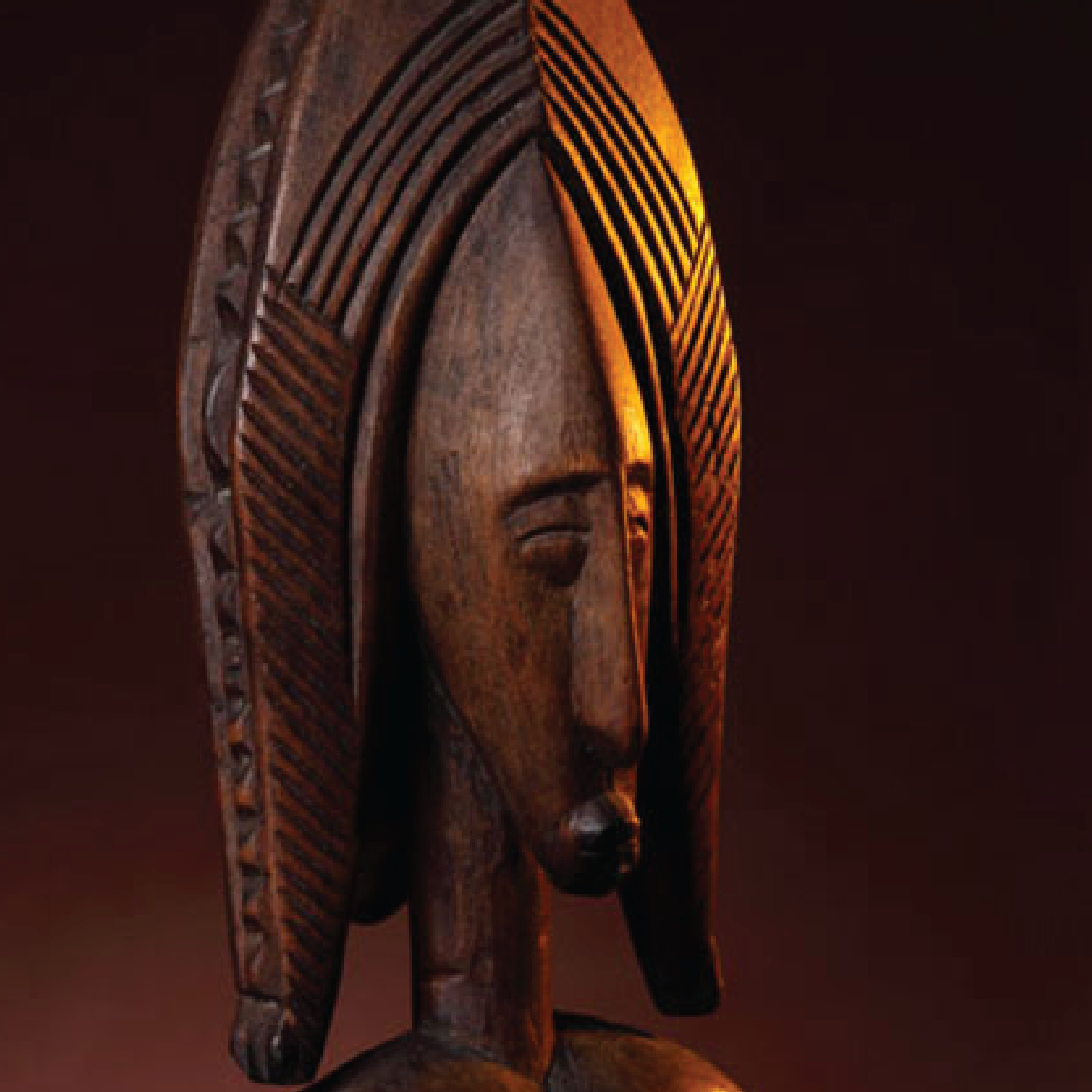
As human artistic abilities expanded, so did the intricacy and sophistication of wood carvings. Skilled artisans began sculpting elaborate figures, embellishing furniture, and carving intricate designs onto doors and panels. These creations formed an integral part of cultural traditions, promoting craftsmanship and providing a means of storytelling.
Wood carving transcends borders and is deeply ingrained in the cultural fabric of various civilizations worldwide. From the intricate relief carvings in ancient Greek temples to the delicate filigree work in traditional Indian architecture, each culture has contributed its own unique style and symbolism to this captivating craft.
The art of wood carving involves a meticulous blend of talent, patience, and craftsmanship. Over time, different techniques and tools have evolved to bring varied expressions to life. From the delicate relief carving achieved through chisels and gouges to the intricate chip carving achieved with sharp knives, each technique imparts a distinct character to the finished piece.
Today, while modern tools and technology have improved efficiency, many artisans continue to honor traditional wood carving methods, passing down centuries-old techniques from generation to generation. By embracing these time-honored techniques, contemporary wood carvers preserve the authenticity and cultural heritage of their craft.

Though deeply rooted in history, wood carvings hold a place of pride in contemporary art and design. Today, skilled artisans explore innovative interpretations, blending traditional techniques with modern aesthetics. From intricate figurines and exquisite wall panels to functional home accents and statement sculptures, wood carvings seamlessly harmonize with various interior styles, adding warmth, texture, and sophistication.
Beyond their visual appeal, wood carvings also provide a sustainable and environmentally friendly art form. As the world embraces eco-consciousness, the use of natural materials and the preservation of traditional craftsmanship found in wood carvings align perfectly with the values of sustainability and connecting with nature.
The legacy of wood carvings spans centuries, encompassing the artistic achievements of numerous cultures and civilizations. From their humble origins to their enduring presence in contemporary art, these intricate creations have captured the hearts and imaginations of people throughout time. As we navigate this journey through wood carving's rich heritage, let us embrace the artistry, cultural significance, and timeless beauty that these masterpieces embody.
 Obadiah Sawa
Jan 05, 2024
 Obadiah Sawa
Jan 05, 2024
 Obadiah Sawa
Jan 05, 2024
 Obadiah Sawa
Jan 05, 2024
 Obadiah Sawa
Jan 05, 2024


By clicking the button, you are agreeing with our Term & Conditions