No products in the cart.

Educate yourself on the different types of wood suitable for carving, their characteristics, and which projects each wood type is best for.
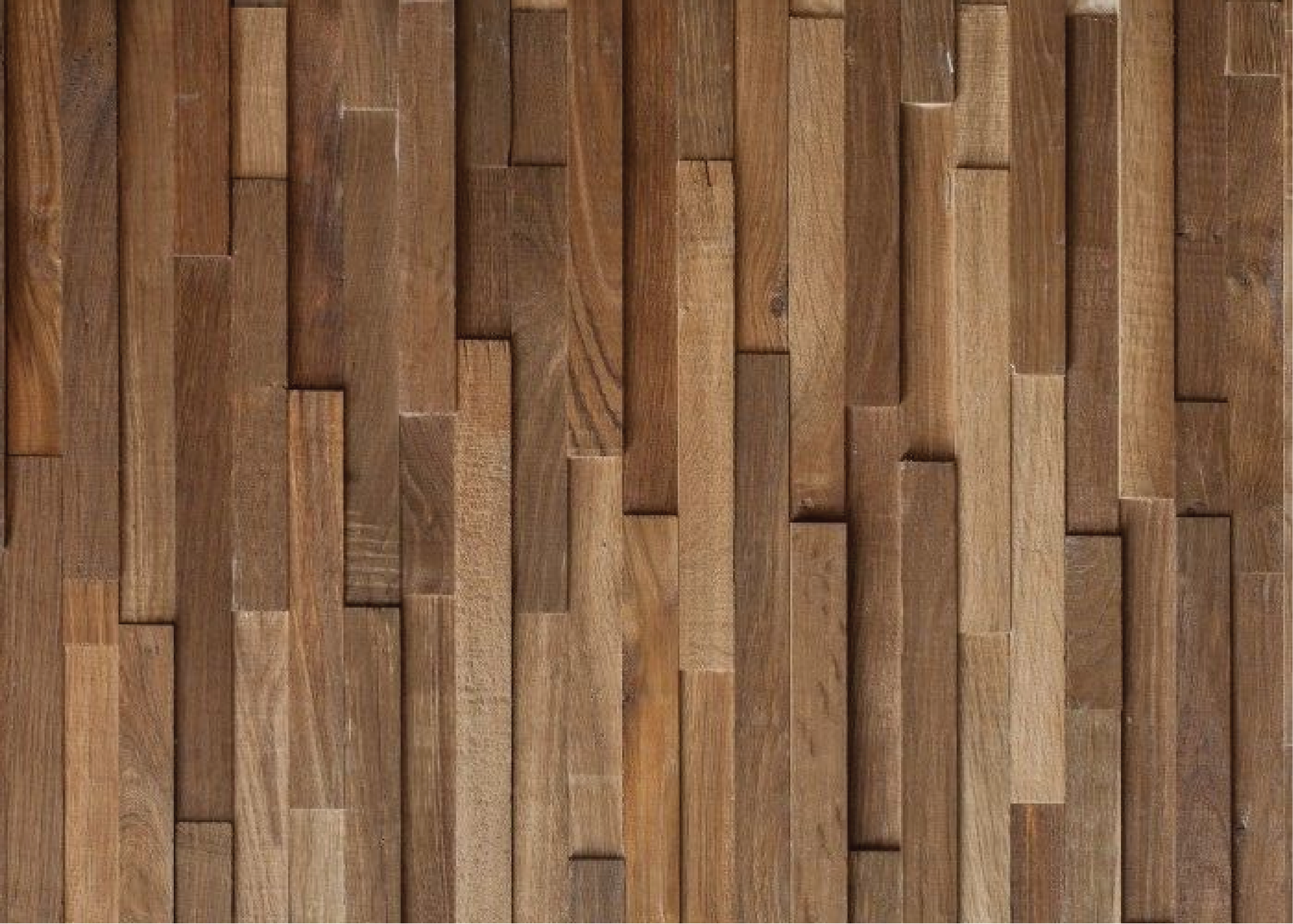
Choosing the Perfect Material for Your Carving" aims to guide readers through the process of selecting the most suitable wood for their carving projects. Here's a more detailed breakdown of what the post could include:
Begin by emphasizing the importance of choosing the right wood for a carving project. Explain how different types of wood have distinct characteristics that can impact the final result.
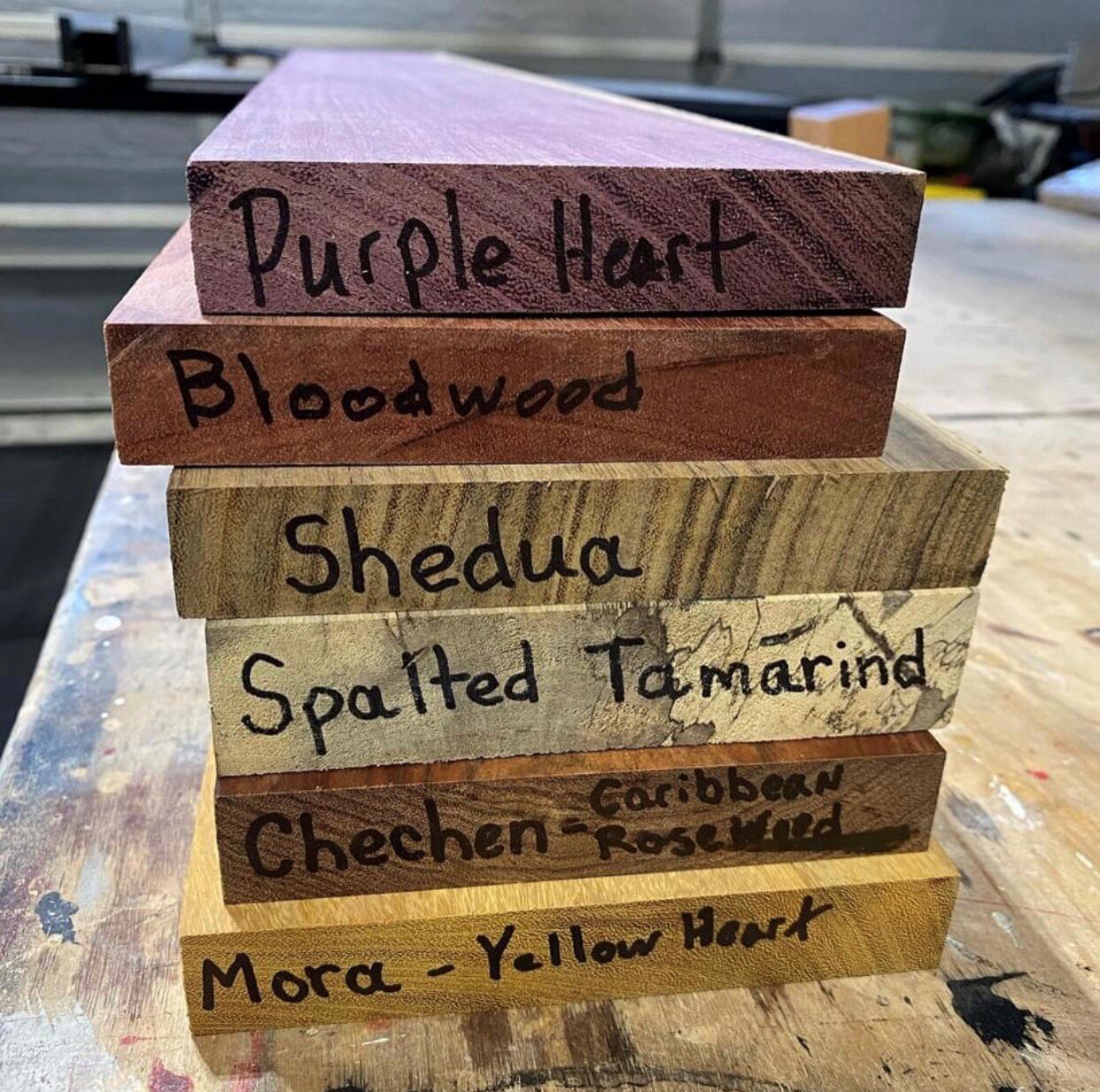
Provide an overview of popular wood species used in carving, such as oak, maple, cherry, walnut, and pine. Briefly describe the characteristics of each wood type, including hardness, grain pattern, and color.
Differentiate between hardwood and softwood, explaining their respective advantages and disadvantages in wood carving. Discuss how the hardness of the wood can influence carving details and intricacy.
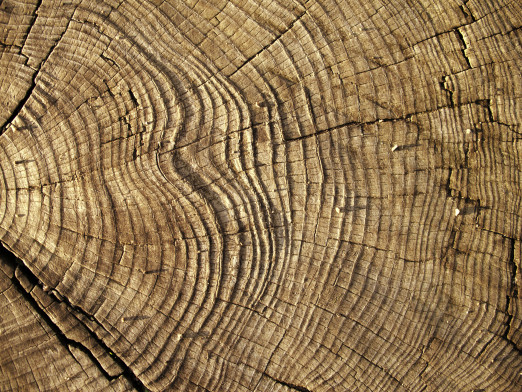
Explore the significance of grain patterns in wood carving. Discuss how the direction of the grain can affect carving techniques, detailing, and the overall aesthetic of the finished piece.
Highlight the role of wood color and appearance in carving projects. Some carvers may prefer lighter woods for certain projects, while others may opt for darker woods to enhance contrast and depth.
Offer recommendations for beginners, suggesting wood types that are easier to carve and more forgiving for those still developing their carving skills. Softwoods like pine could be a good starting point.
Introduce the idea of using exotic or specialty woods for more unique and standout projects. Discuss the characteristics and considerations when working with less common wood types.
Provide guidance on matching wood types to specific carving projects. For instance, certain woods may be better suited for intricate details, while others may excel in larger, more sculptural pieces.
Touch upon the importance of choosing sustainable wood sources. Discuss how environmentally friendly practices can be incorporated into wood carving projects.
Conclude the post by offering tips on where readers can source high-quality carving wood. This could include local lumberyards, online suppliers, or specialty stores.
By delving into these aspects, the blog post can serve as a comprehensive guide for both beginners and experienced wood carvers, helping them make informed decisions when selecting the perfect wood for their carving projects.
 Obadiah Sawa
Jan 05, 2024
 Obadiah Sawa
Jan 05, 2024
 Obadiah Sawa
Jan 05, 2024
 Obadiah Sawa
Jan 05, 2024
 Obadiah Sawa
Jan 05, 2024


By clicking the button, you are agreeing with our Term & Conditions